Korcula Archipelago
The Korčula archipelago has almost twenty different islands, islets and reefs, collectively known as the škoji. Pronounced “schkoi“, the word comes from the Italian word ‘obstacle’. Their presence has been vital to the people of the surrounding area, frequently providing natural resources for a livelihood that has changed as time has progressed.
Their sunken, scattered natural position at the edge of the Pelješac channel created issues for maritime traffic. The old Croatian name for the island, Krkar, in fact, means ‘reef passage’ or the ‘obstacle passage’. Today these maritime flowers offer a delightful opportunity to swim in its crystal clear seas, relax on their shaded beaches or pretend to be Robinson Crusoe.
In the past, the islands were variously used as strategic outposts, spiritual serenity and quarrying for high-quality limestone. The stones were used to build most of the impressive buildings of the historic town of Korčula and beyond.
They continue to be a source of food, with its shores and shoals providing rich fishing grounds from antiquity to modernity.
Today the skoji are a favourite day-trip destination for tourists and locals alike. Poč u škoje (to go for an island outing) is a favourite past time for many locals who use their boats to visit the islands and enjoy their natural harmony.
Sandwiched between the karstic Pelješac peninsula and the Mediterranean island of Korčula, each island is an individual. Each one is a different shape and size. Some resemble hats (or original haircuts, others resemble various fish types that swim around them. Some are inhabited, most are deserted (apart from seagulls, deer and the odd rabbit). All contains something unique. For visitors to Korčula, they are a must-see.
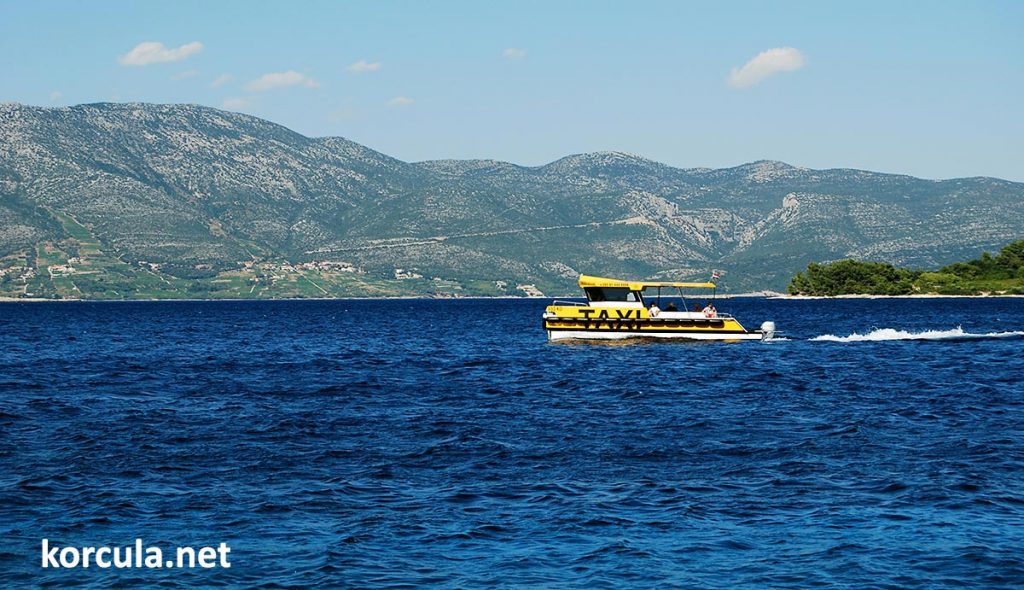
Access is easy even for visitors without their own boat due to the taxi boat service that takes visitors to the largest ones. Prepare for your visit to the skoji by reading our introduction to each of them.
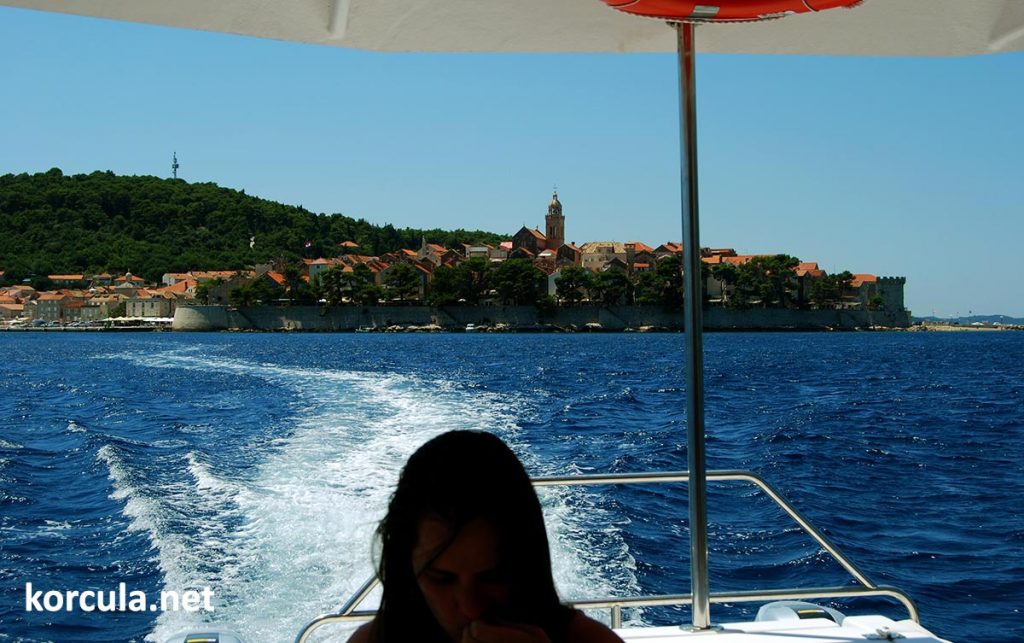
The islands are easily reachable by local water taxi boats or hop on hop off speedy water taxis from either Lumbarda, Korcula Old Town or Orebic, Kuciste and Viganj on Peljesac.
Popular Routes: Split to Korcula, Korcula to Split, Dubrovnik to Korcula, Korcula to Dubrovnik
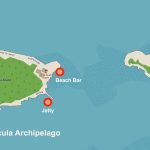
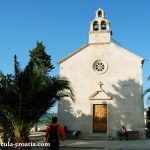
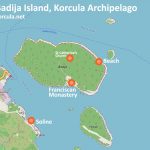
Vrnik is the only inhabited island in the archipelago, while Badija features a Franciscan Monastery and Church. Badija, Vrnik and Stupe also have small restaurants.
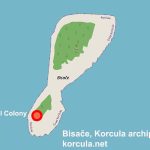
The furthest islet is Bisace, which is situated right across the Raznjic horn. The islet is well-known for numerous seagull nests and just one single pine tree that offers some shade.
The archipelago also features numerous hidden beaches as well as nudist beaches with plenty of opportunities for snorkelling, swimming and sunbathing.
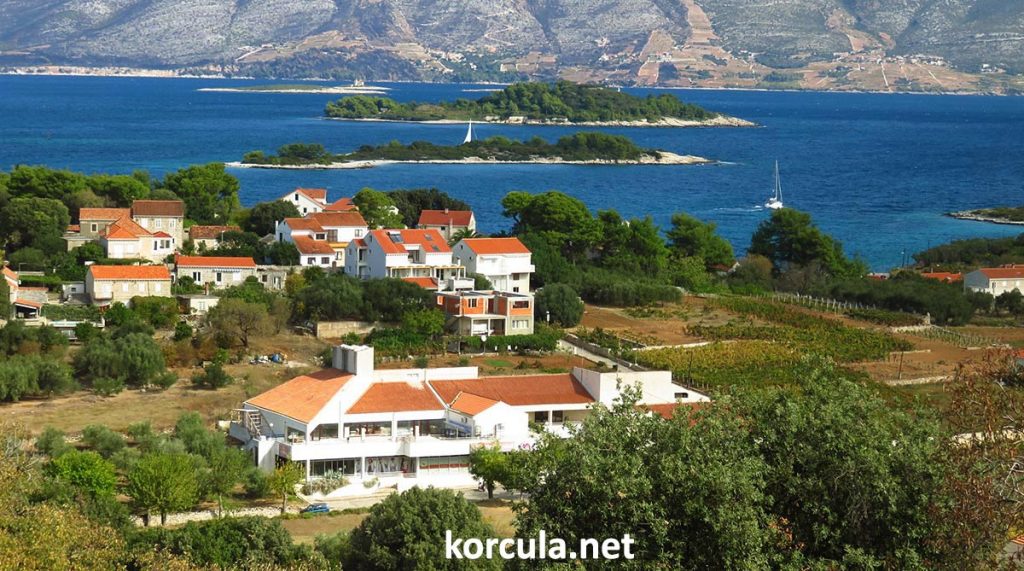
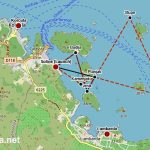
Map:
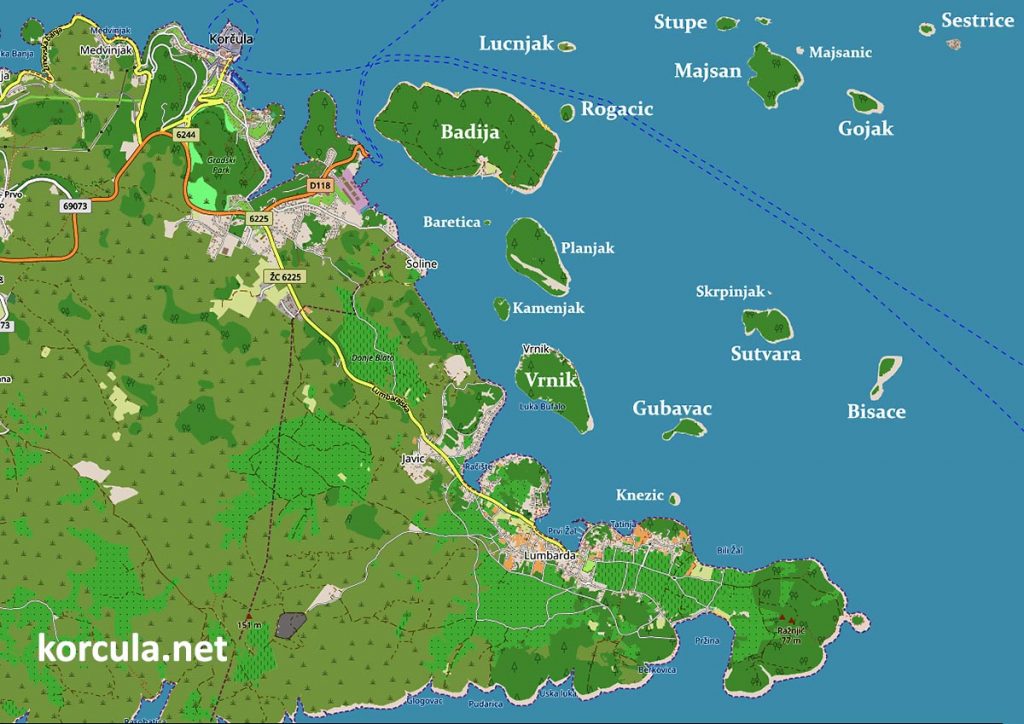
Here are the names of all islands:
- Badija
- Vrnik
- Planjak
- Kamenjak
- Baretica
- Lucnjak
- Vela Stupa (Book a water taxi to Stupe Moro Beach)
- Mala Stupa
- Majsan
- Majsanic
- Vela Sestrica
- Mala Sestrica
- Gojak
- Sutvara
- Skrpinjak
- Bisace
- Gubavac
- Knezic
More articles about the Archipelago
-

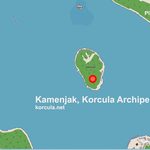
Kamenjak Island, Korcula – Rocky Islet in the Škoji Archipelago
Kamenjak is one of the smaller islets in the Korcula archipelago — a compact rocky island between Vrnik and Soline bay, with a wild shoreline, some pebble patches, and clear water good for snorkelling. It sees very few visitors even in summer, which is partly a function of its size …
Read more >> Kamenjak Island, Korcula – Rocky Islet in the Škoji Archipelago -
Bisače Island, Korcula – Remote Islet with a Seagull Colony
Bisače is the furthest islet in the Korcula archipelago from the mainland shore — positioned directly opposite Cape Raznjić at the eastern tip of Korcula, about four nautical miles from Korcula Town. It is the wildest and most remote of the Skoji group: rocky, exposed, uninhabited and home to one …
Read more >> Bisače Island, Korcula – Remote Islet with a Seagull Colony -
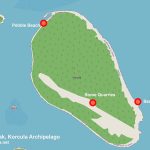
Planjak Island, Korcula – Quiet Pebble Beaches in the Archipelago
Planjak is a small uninhabited island in the Korcula archipelago, sitting directly south-east of Badija across a short stretch of open water. It is one of the quieter destinations in the Skoji group — no restaurant, no water taxi service, no facilities of any kind — which means it sees …
Read more >> Planjak Island, Korcula – Quiet Pebble Beaches in the Archipelago -
Stupe Island Korcula — Turquoise Lagoon and Moro Beach in the Archipelago
Stupe – properly Vela Stupa, with its smaller companion Mala Stupa nearby — is among the most visited of the smaller islets in the Korcula archipelago and the one most likely to surprise first-time visitors. Set in a natural lagoon about ten minutes from Korcula Town by water taxi, it …
Read more >> Stupe Island Korcula — Turquoise Lagoon and Moro Beach in the Archipelago -
Kayaking the Korcula Archipelago – Guide to the Škoji Islets by Kayak
The Korcula archipelago — locally called Škoji, pronounced ‘shkoyee’ — is the best kayaking destination on the island and one of the finest sea kayaking areas on the entire Dalmatian coast. Twenty or so small islands, islets and reefs sit between Korcula Town and Lumbarda, all within paddling distance of …
Read more >> Kayaking the Korcula Archipelago – Guide to the Škoji Islets by Kayak -
Sunset Kayaking Korcula – Evening Paddle from Soline to the Archipelago
Sunset kayaking from Soline is one of the most memorable ways to spend an evening on Korcula island. You paddle out across calm water as the afternoon heat fades, reach the small islands of the archipelago as the light starts to change, watch the sun drop behind the Pelješac mountains …
Read more >> Sunset Kayaking Korcula – Evening Paddle from Soline to the Archipelago -
Kayaking from Soline – Best Starting Point for Kayaking on Korcula Island
Soline is a small sheltered bay on the north coast of Korcula, about 4km east of Korcula Town and directly opposite Badija island and the Skoji archipelago. For kayaking, it is close to perfect — calm water, easy pebble launch point, no boat traffic to speak of, and the nearest …
Read more >> Kayaking from Soline – Best Starting Point for Kayaking on Korcula Island -
Grk Wine Lumbarda – The Rarest Wine in Croatia, Grown Only on Korcula
Grk is a white wine grape grown nowhere else in the world except the sandy fields around Lumbarda on the eastern tip of Korcula island. Not anywhere else in Croatia – nowhere else on earth. The total cultivated area is less than 50 hectares, the number of producers is small, …
Read more >> Grk Wine Lumbarda – The Rarest Wine in Croatia, Grown Only on Korcula -
Vrnik
Despite no cars, no road and no real shop, this intriguing island of stone treasures, shaded swimming spots and newly opened art gallery is the only one that is still inhabited in the archipelago. The second-largest island in the archipelago offers the visitor shingle beaches in tranquil surroundings of a …
Read more >> Vrnik -
Badija
Coated gracefully in pine, cypress trees and Mediterranean shrub while surrounded by a peacock colored sea, Badija is the most impressive islet in the Korčula archipelago. Containing family-friendly places to swim, impressive 15th century Renaissance architecture and one of the best views of the whole archipelago, visitors can easily spend …
Read more >> Badija