Korcula vs Dubrovnik – Honest Comparison to Help You Choose
This is one of the most common questions on Croatia travel forums: should I visit Korcula or Dubrovnik, or both? It is a reasonable question because both are walled medieval towns on the Dalmatian coast, both are described as must-see destinations, and most visitors have limited time. But the comparison only goes so far — the two places offer genuinely different experiences and the right choice depends on what kind of trip you want. This page gives you an honest comparison from people who know Korcula well.
The Honest Summary
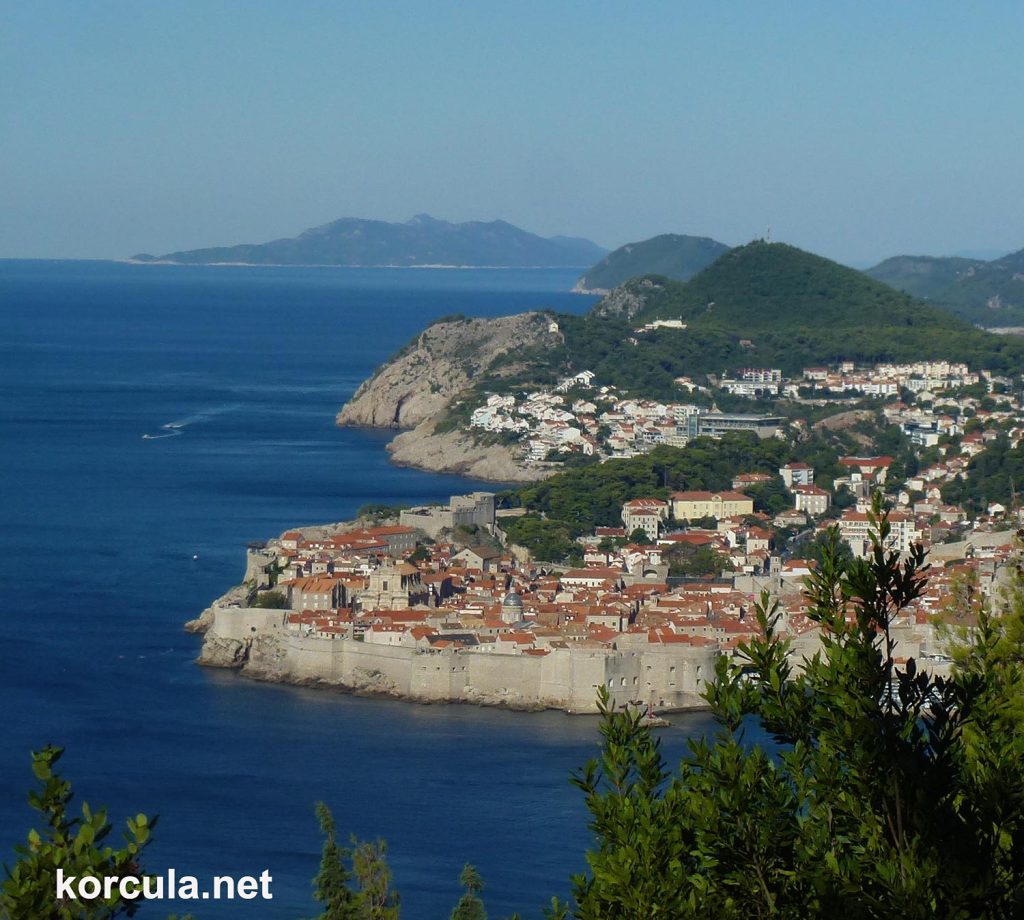
Dubrovnik is larger, more famous, more dramatic and more expensive. Its walls are better preserved, its architecture is grander, and its range of restaurants, bars and cultural attractions is wider. It is also significantly more crowded — in peak summer it receives more than 10,000 cruise ship passengers per day alongside hotel guests, which affects the experience of the Old Town considerably.
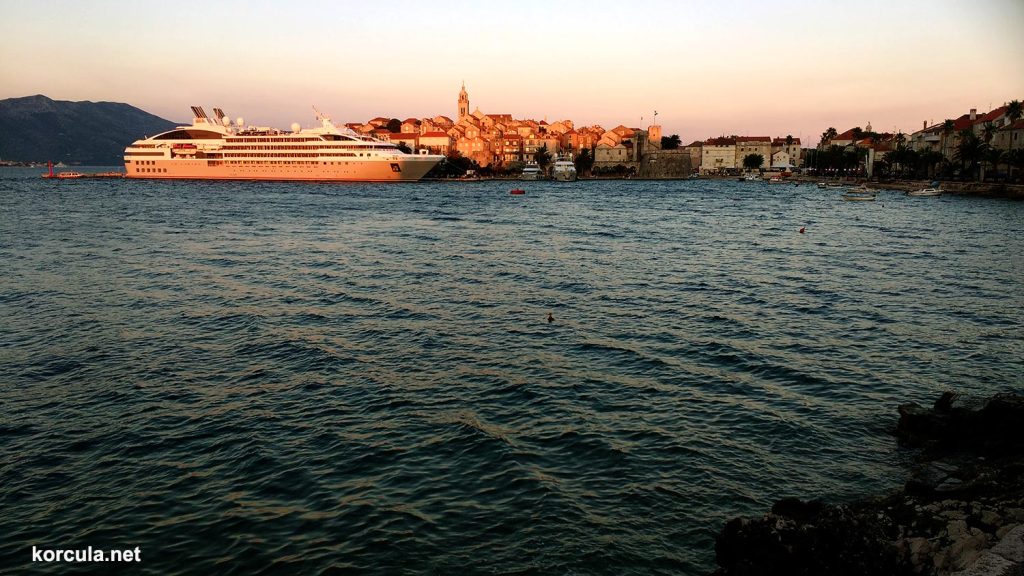
Korcula is smaller, quieter, cheaper and set on an island rather than a peninsula. Its Old Town is genuine and lived-in rather than a UNESCO showpiece surrounded by tourist infrastructure. You are more likely to share the streets with local residents going about their day than with other tourists. The island itself — with 50+ beaches, wine villages, cycling routes and a small archipelago — gives you things to do beyond the Old Town that Dubrovnik simply cannot match.
If you only have time for one: Dubrovnik is the obvious choice for a first visit to Croatia. If you have already seen Dubrovnik, or if you want a more relaxed island experience rather than a city break, Korcula is the better option. And if you can do both — they are 2.5 hours apart by ferry — do both.
Old Town Comparison
Dubrovnik’s Old Town is larger, more complete and more visually overwhelming. The city walls — still almost entirely intact at 1.9 kilometres — are the defining experience and walking them takes 1.5 to 2 hours. The main street, Stradun, is one of the most impressive public spaces in Croatia. The range of palaces, churches, monasteries and museums is considerably greater than Korcula’s.
Korcula’s Old Town is smaller — the entire peninsula is about 300 metres long and 100 metres wide — but arguably more authentic. Only 15% of the buildings are later than the 17th century. The medieval herringbone street pattern is unique in the Adriatic. The town has not been rebuilt or heavily restored in the way Dubrovnik was after the 1667 earthquake, which means what you are walking through is genuinely old rather than a baroque reconstruction of something medieval. Locals still live and work in the Old Town in significant numbers.
Crowds
This is the sharpest difference between the two. Dubrovnik in July and August is genuinely overwhelmed — the city has introduced visitor management measures including timed entry to the walls and limits on cruise ship numbers, but it remains one of the most crowded destinations in Croatia. Early morning and late evening are the only times the Old Town feels manageable in peak summer.
Korcula gets busy in summer — particularly when a cruise ship stops — but never reaches Dubrovnik levels. An hour after a ship departs, the Old Town returns to something close to normal. And unlike Dubrovnik, there is always somewhere quieter to go: a beach on the other side of the island, a village in the hills, an islet in the archipelago. The island absorbs visitors in a way that a peninsula city cannot.
Popular Routes: Split to Korcula, Korcula to Split, Dubrovnik to Korcula, Korcula to Dubrovnik
Beaches
Korcula wins this comparison comfortably. The island has 50+ beaches ranging from sandy coves in Lumbarda to remote pebble bays accessible only by boat. Several are ranked among Croatia’s best. The town beaches — Banje, Ispod Duvana, Puntin — are within walking distance of the Old Town.
Dubrovnik has beaches, but they are mostly busy, rocky and not particularly special. Banje Beach near the East Gate is the most popular and gets very crowded. Serious beach time is better done as a day trip to the Elafiti islands. If beaches matter to you, Korcula is significantly better.
Wine and Food
Both have good restaurants and good wine, but Korcula has a specific food and wine identity that Dubrovnik lacks. Pošip and Grk are two world-class indigenous white wines produced only on Korcula island — Grk is grown nowhere else on earth. The local cuisine features handmade pasta (makaruni), local olive oil and fresh fish from the surrounding sea. Eating and drinking well in Korcula costs considerably less than in Dubrovnik.
Dubrovnik’s restaurant scene is larger and more varied but also more oriented towards tourist expectations and international food. The best local food in Dubrovnik tends to be found in the suburbs rather than the Old Town itself.
Cost
Korcula is noticeably cheaper than Dubrovnik across the board — accommodation, restaurants and activities. A mid-range hotel room in Korcula Town typically costs 30-40% less than an equivalent in Dubrovnik Old Town. A meal in a good konoba in Korcula will cost less than the same quality meal in a comparable Dubrovnik restaurant. This gap narrows in shoulder season but remains year-round.
History and Culture
Dubrovnik has a more dramatic and better-documented history — the Republic of Ragusa was one of the most sophisticated city-states in medieval Europe, and the range of museums, palaces and cultural institutions reflects this. The Rector’s Palace, Sponza Palace and Dominican Monastery are all significant. The city walls tell a story of defence and survival that is genuinely compelling.
Korcula’s history is less well known but no less interesting. The island has been inhabited since the Neolithic, colonised by Greeks and Romans, dominated by Venice for four centuries, and is the claimed birthplace of Marco Polo — a claim disputed by historians but impossible to disprove. The Moreska sword dance, performed in summer, is a centuries-old tradition that survives in only a handful of places in the world. The Lumbarda Psephisma — the oldest written document found in Croatia — was discovered in the island’s vineyards. The history here rewards curiosity.
Getting There
Dubrovnik is easier to reach — it has its own international airport with direct flights from most European cities, making it the natural starting or ending point for a Croatian trip.
Korcula requires more effort — fly to Dubrovnik or Split, then take a ferry or catamaran. From Dubrovnik, the journey takes about 2.5 hours by fast catamaran. From Split, it is about 3 hours. The Pelješac Bridge, opened in 2022, has made driving to the Orebić ferry significantly easier, removing the need for the old Pelješac peninsula ferry crossing.
Should You Visit Both?
Yes, if you have time. They are not redundant — the overlap in experience is smaller than the “little Dubrovnik” nickname suggests. Dubrovnik is a city; Korcula is an island. Dubrovnik is grand and overwhelming; Korcula is intimate and relaxed. A week combining two nights in Dubrovnik and four nights on Korcula gives you both the UNESCO grandeur and the island experience, and the ferry connection between them is easy and scenic.
Korcula also works well as a day trip from Dubrovnik — the fast catamaran takes about 2.5 hours and runs daily in summer, giving you a full day on the island before returning in the evening. It is one of the more popular day trips from Dubrovnik for exactly this reason.
Related Pages
- Korcula Old Town — guide to the medieval walled town
- Dubrovnik to Korcula — how to get between the two by ferry and catamaran
- Korcula beaches — 50+ beaches on the island
- Things to do on Korcula — complete guide to activities on the island