Pošip Wine Korcula – Complete Guide to Croatia’s Flagship White Wine
Pošip is Croatia’s most celebrated indigenous white wine and the flagship of Korcula island’s winemaking tradition. Grown primarily in the villages of Smokvica and Cara on the central plateau of the island, it is one of very few European grape varieties to have survived phylloxera on its original ungrafted rootstock, the first Croatian white wine to receive protected geographical origin status, and – according to DNA analysis – a genuinely local grape with roots deep in the island’s viticultural history. If you drink wine and you are on Korcula, Pošip is not optional.
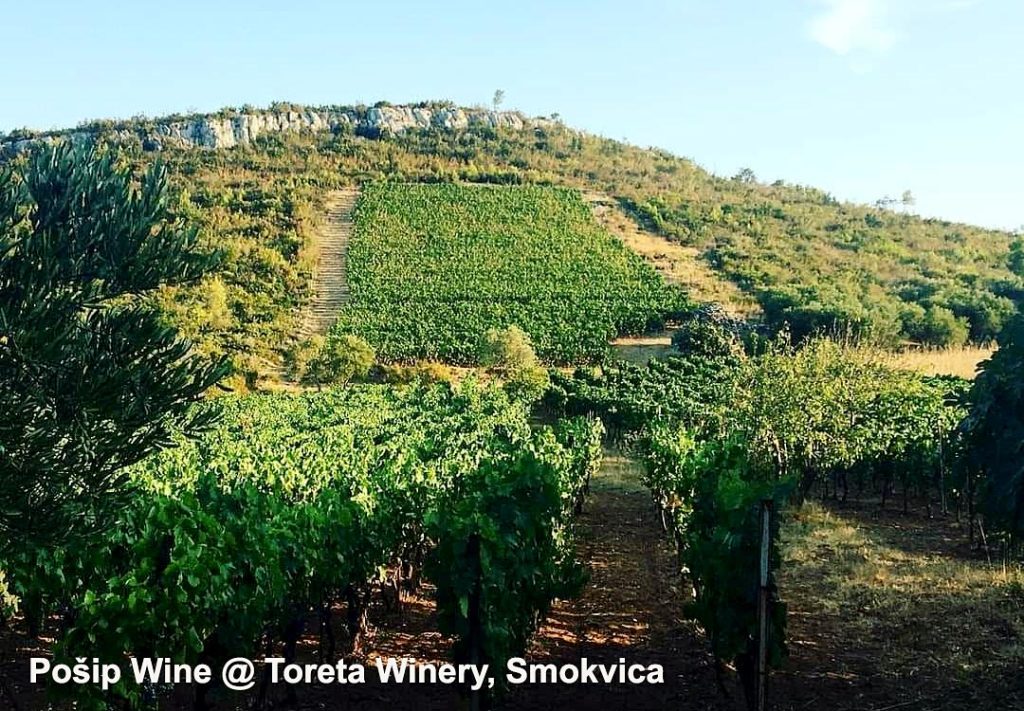
The Discovery Story
Pošip was first documented in 1864 in the village of Smokvica. A farmer named Marin Tomašić Barbaca – known locally by his nickname Caparin – was cutting firewood in the Stiniva canyon south of the village when he noticed a wild grapevine growing in the forest. Attracted by its unusual and pleasing aroma he cut some branches, planted them in his vineyard and began cultivating the grape. The first recorded Pošip wine was released in 1880. From that single discovery, made by a man cutting wood on a hillside above the sea, Pošip has grown into Croatia’s most recognised indigenous white wine.
A monument to Marin Tomašić Barbaca stands at the site of the discovery in the vineyards above Smokvica. The Pošip Walk – a signposted path through the vineyards passing the monument – takes about an hour and is one of the more rewarding short walks in the Smokvica area.
What the Name Means
The origin of the name Pošip has two competing explanations. The more prosaic account holds that it derives from the tapered shape of the grape clusters, which resemble traditional soil-tilling tools used in the vineyards. The more romantic explanation – popular locally – is that the first vine was found growing beneath a pomegranate tree, and the name combines the Croatian words po (under) and šipak (pomegranate). Both explanations are plausible. The truth may be that nobody knows for certain, which is itself appropriate for a grape discovered by a woodcutter in a canyon.
Origins and DNA
Pošip is classified as an autochthonous Croatian grape variety – meaning it is indigenous to and historically associated with Croatia, specifically Korcula island. A 2002 DNA analysis by professors Maletić and Pejić of Zagreb’s Faculty of Agriculture confirmed that Pošip is a natural cross of two other indigenous Korcula varieties – Bratkovina and Blatska Zlatarica – making it a genuinely local grape rather than an import from elsewhere in the Mediterranean.
While Pošip originated in Smokvica and Cara, it has since been planted across broader southern Dalmatia – on the Pelješac peninsula, Hvar, Brač, Biokovo and beyond. The best quality Pošip, however, remains the wine produced in the Smokvičko-Čarsko Polje growing area on Korcula, where the combination of specific soil, microclimate and ungrafted old vines produces a character that planted versions elsewhere do not replicate.
How Pošip Survived Phylloxera
Pošip is one of very few European grape varieties to have survived the phylloxera epidemic of the late 19th century on its original ungrafted rootstock. Before phylloxera, Korcula had approximately 4,000 hectares of vineyards. After the outbreak only around 450 hectares remained. The fact that Pošip survived at all – and on its original roots – means the wine made today comes from vines genetically identical to those first cultivated by Marin Tomašić Barbaca in the 1860s. This is genuinely rare in a European context.
What Pošip Tastes Like
Pošip is a dry white wine with a golden-yellow colour and a character that ranges from light and crisp to rich and full-bodied depending on the producer and the winemaking approach. The variety ripens early, which allows sugar accumulation even in cooler conditions – giving producers flexibility in style.
Popular Routes: Split to Korcula, Korcula to Split, Dubrovnik to Korcula, Korcula to Dubrovnik
Typical tasting notes include citrus and stone fruit on the nose – apricot, peach, sometimes hints of orange – with mineral and herbal notes underneath. On the palate it has good acidity and a warm finish. Alcohol content typically ranges from around 12% for lighter earlier-harvested styles to 14.5% for the full traditional style.
The Maestral wind – the summer afternoon north-westerly that blows along the Dalmatian coast – cools the Smokvica and Cara vineyards during the warm Mediterranean growing season, slowing ripening and preserving acidity. This is part of what gives Korcula Pošip its structure compared to the richer, lower-acid versions produced in warmer growing areas on the mainland.
Best served at 12-14°C. Pairs well with grilled fish and seafood, white meat, local cheese and olive oil. A glass of Pošip with fresh grilled brancin at a waterfront restaurant on the south coast of Korcula – wine from the vineyards you drove through on the way – is one of the more straightforward pleasures the island offers.
Styles of Pošip
Pošip is produced in several distinct styles by Korcula’s winemakers:
- Classic dry white – the standard style, stainless steel fermented, fresh and aromatic. The most widely available version in restaurants across the island.
- Oak-aged Pošip – some producers ferment or age in oak barrels, producing a richer, more complex wine with vanilla and toast notes alongside the fruit. A more structured style suited to food rather than aperitif drinking.
- Skin-contact Pošip – a smaller number of producers make an orange or amber wine style by fermenting with extended skin contact. A more experimental approach that has gained attention in natural wine circles.
- Sparkling Pošip – produced by a handful of makers, either traditional method or tank method. Relatively rare but worth seeking out.
- Pošip Prošek – a traditional dessert wine made from dried Pošip grapes. Labour-intensive to make, rich and sweet, traditionally served with local pastries or cheese at the end of a meal. One of the most distinctive expressions of what the grape can do.
Where Pošip Grows – Smokvičko-Čarsko Polje
The heartland of Pošip production is the Smokvičko-Čarsko Polje growing area – two connected plains on the central plateau of Korcula, one below Smokvica and one below Cara. Together they produce the overwhelming majority of the world’s best Pošip. The vineyards sit on south-facing slopes at moderate elevation, sheltered from the cold Bura wind from the north by the island’s central ridge, and cooled in summer by the afternoon Maestral from the north-west.
The cooperative wine cellar – PZ Pošip Cara-Smokvica – sits in Čarsko Polje on the road between Cara and Zavalatica and is one of the oldest Pošip producers on the island. The wine from the cooperative is the bottle most visitors encounter in restaurants across Korcula and represents a reliable baseline for understanding the variety. Several family wineries in both villages produce estate wines of higher ambition and often considerably more interest.
Wineries Worth Visiting
The best Pošip is tasted in the villages where it is grown. A selection of producers worth seeking out:
- Merga Victa – Smokvica – one of the most committed producers on the island, focused on indigenous varieties and the history of winemaking on Korcula. Transport available from Korcula Town.
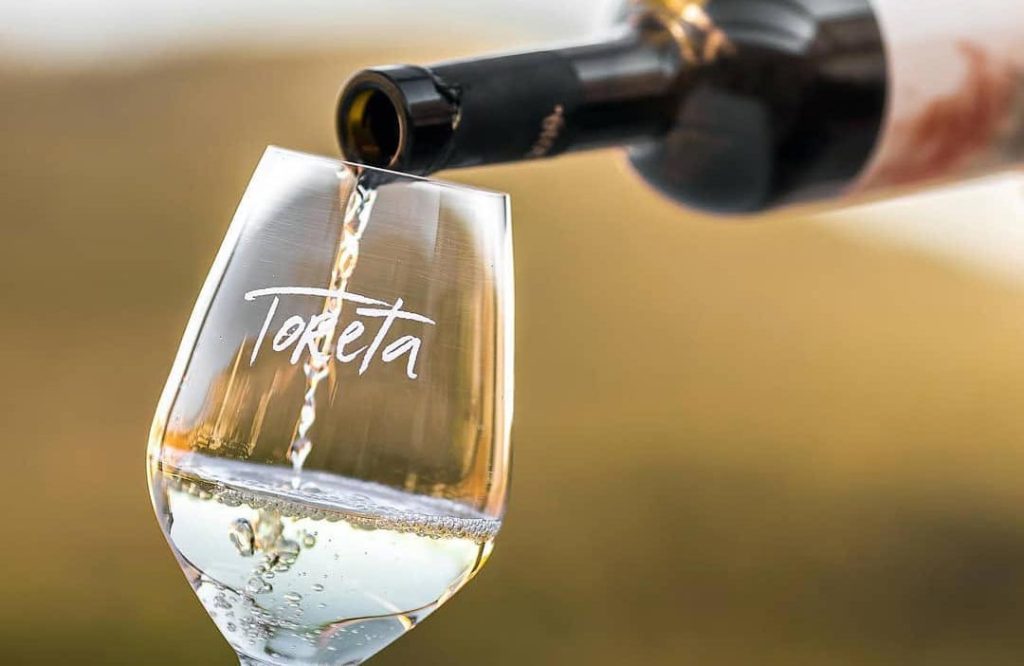
- Toreta – Smokvica – well-regarded family winery producing Pošip and Plavac Mali. Friendly atmosphere, consistently good reviews.
- Krajančić – Cara – one of the more respected family producers on the Cara side of the field, with an established reputation for quality Pošip.
- PZ Pošip Cara-Smokvica – Čarsko Polje – the cooperative cellar, open for tasting and direct sales. The most accessible option for visitors without a specific producer in mind.
Most producers welcome visitors in summer – calling ahead or knocking on the door is usually sufficient for a short tasting. Outside summer, calling ahead is advisable. The Smokvica and Cara village pages have more detail on individual producers and how to find them.
The Pošip Wine Festival
Smokvica and Cara jointly host a Pošip Wine Festival at the end of July each year – a week-long celebration with tastings, food, music and events across both villages. Every evening the vintners open their cellars for tasting. One of the more authentic wine festivals in Croatia, focused on the wine and the people who make it rather than on entertainment for its own sake. If you are on Korcula at the end of July, timing a visit to the festival is worthwhile.
Pošip vs Grk – Korcula’s Two Great Whites
Korcula produces two world-class indigenous white wines – Pošip and Grk – and visitors often ask which to try first. They are genuinely different wines with different characters and different stories:
- Pošip – grown in Smokvica and Cara on the central plateau. Fuller-bodied, notes of apricot and stone fruit, warm finish, wider range of styles. More widely available. First Croatian white with protected designation.
- Grk – grown only in Lumbarda’s sandy fields, nowhere else on earth. Higher acidity, citrus and mineral character, slight bitterness on the finish. Produced in much smaller quantities. One of the rarest wines in Europe.
If you are on Korcula for more than a day, try both. A glass of Grk in Lumbarda and a glass of Pošip in Smokvica or Cara on the same day gives you the complete picture of what makes this island’s wine identity genuinely distinctive on the Adriatic. If you only have time for one – Pošip is more widely available and more immediately approachable for most palates; Grk is rarer and more unusual, the one to seek out specifically if you are interested in genuinely unusual wines.
Rukatac – The Third Wine
Rukatac – also called Maraština elsewhere in Dalmatia – is the third indigenous white variety produced in the Smokvica and Cara area. Less famous than Pošip but with a winemaking tradition on Korcula stretching back over a thousand years. Lighter-bodied than Pošip with a gentle aromatic freshness – good as a summer aperitif or with lighter seafood dishes. Historically blended with Pošip; now also produced as a standalone dry white by several producers. Worth trying if you encounter it.
How to Get to the Wine Country
Smokvica and Cara are both on the main island road between Korcula Town and Vela Luka – about 30-35 minutes by car from Korcula Town. The regular cross-island bus stops in both villages, making a wine tasting visit without a car genuinely practical – get off in Smokvica, visit one or two wineries on foot, and take the next bus back or continue west to Vela Luka. By car the south coast drive from Cara down through Čarsko Polje to Zavalatica and along to Brna takes you through the most productive vineyard landscape on the island – one of the better half-day drives on Korcula combining wine, scenery and a south coast beach.
Related Pages
- Smokvica village – where Pošip was discovered, home to the Pošip Walk and several wineries
- Cara village – co-producer of Pošip, home of the Španić Kaštel and Čarsko Polje
- Grk wine – Korcula’s other great indigenous white, grown only in Lumbarda
- Zavalatica – south coast bay below Cara, the historic wine export port
- Brna – south coast bay below Smokvica, another historic wine export port
- Things to do on Korcula – complete activities guide including wine tasting tours