Smokvica, Korcula – Birthplace of Pošip Wine and Nine Ancient Churches
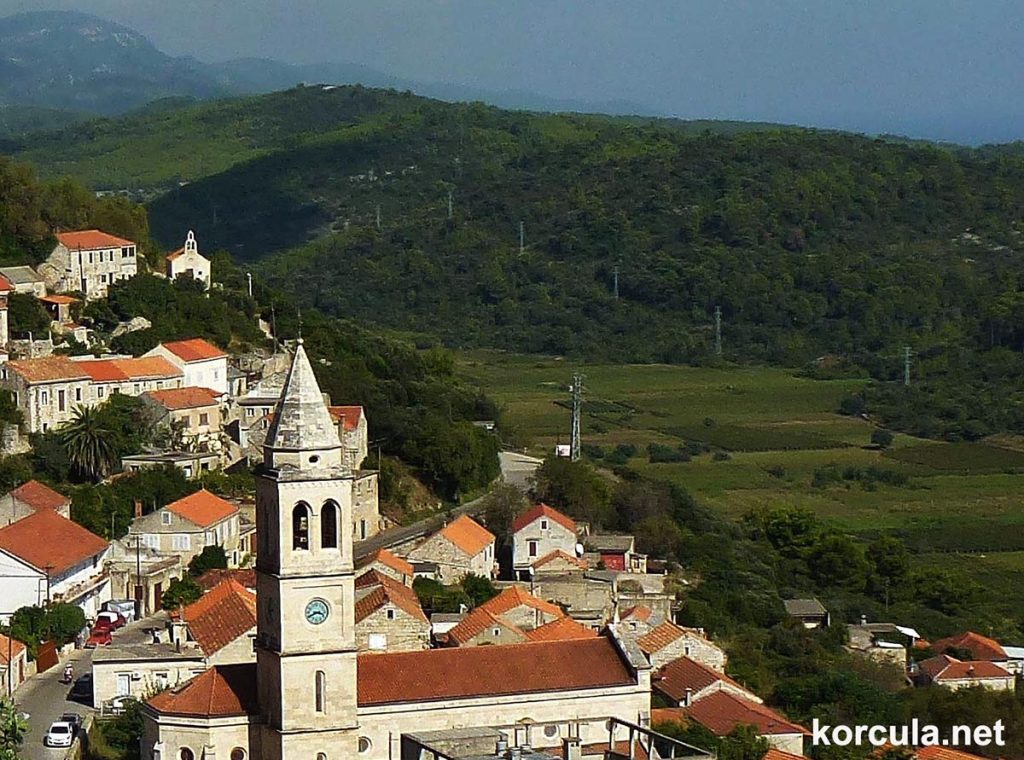
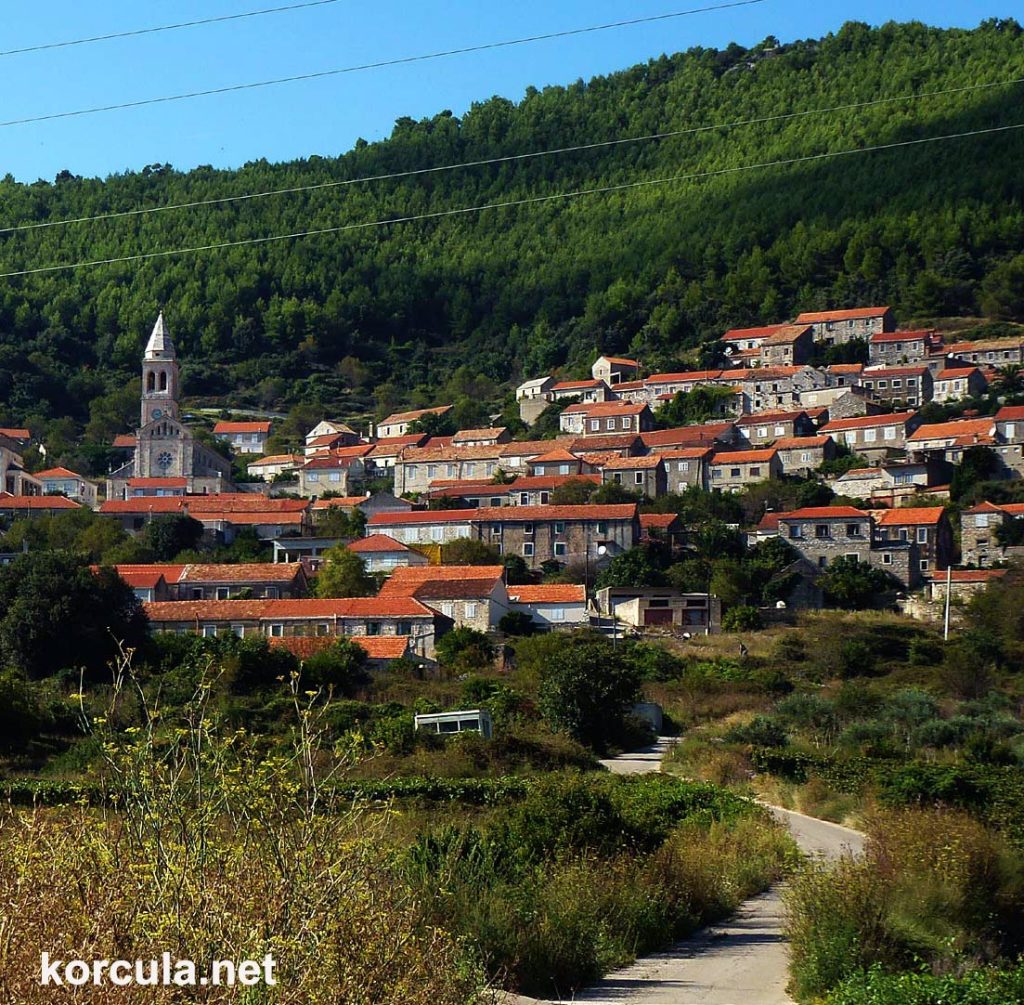
Smokvica is a wine village of around 1,000 people in the central part of Korcula island, about 30 kilometres from Korcula Town on the main island road. It sits on the southern slopes of the surrounding hills – sheltered from the cold Bura wind from the north, sunny throughout the year – and its entire character is shaped by the vineyards that cover the fields below it. Smokvica and its neighbour Cara to the east are the two villages responsible for Pošip – Croatia’s most celebrated indigenous white wine and the first Croatian white to receive protected designation of origin. If you drink wine and you are on Korcula, Smokvica deserves more than a drive-through.
History
Smokvica is one of the five oldest settlements on Korcula island, with continuous human habitation from prehistoric times to the present day. The village is mentioned in the Korcula Statute of 1214 – one of the oldest municipal statutes in Croatia – which already lists it among the established settlements requiring defence. The Illyrian Gradina fortress on the edge of the modern village dates from the second millennium BC, and ancient Greek wine presses have been found in the surrounding area, reflecting the extraordinary depth of human activity on this site.
The village grew significantly in the 15th and 16th centuries as Slav tribes fleeing Ottoman advances on the Croatian mainland arrived on Korcula seeking refuge. Throughout this period, the village faced repeated threats – in 1571, a significant battle against the Ottomans was fought at the site known locally as “Bloody Robbery”, a historical event still commemorated in Smokvica every July. Then in June 1715, in one of the most dramatic episodes in the village’s history, 260 Turkish pirates landed at dawn at the nearby bay of Brna and carried away 23 residents of Smokvica to be sold as slaves – including Don Marko Bono, the parish priest from Žrnovo. The Church of St Michael on its fortified rocky butte was built as part of the village’s defensive system during exactly this period of persistent threat.
Pošip Wine – Discovered Here
The story of Pošip begins in Smokvica in the second half of the 19th century. A farmer named Marin Tomašić Barbaca – known locally by his nickname Caparin – was cutting firewood in the Stiniva canyon south of the village when he noticed a wild grapevine growing in the forest. Attracted by its unusual and pleasing aroma, he cut some branches, planted them in his vineyard, and began cultivating the grape. The first recorded Pošip wine was released in 1880. From that single discovery, made by a man cutting wood on a hillside, Pošip has grown into Croatia’s most celebrated indigenous white wine. A monument to Marin Tomašić Barbaca and the grape he found now stands at the site of the discovery.
The name itself may preserve part of the story. Pošip possibly derives from the Croatian words po (under) and šipak (pomegranate) – a reference to the legend that the first vine was found growing beneath a pomegranate tree. Whether accurate or a later embellishment, the name has stuck for over 150 years.
Pošip was the first Croatian white wine to receive protected geographical origin status – in 1967, from the 1965 vintage. A 2002 molecular analysis by professors Maletić and Pejić of Zagreb’s Faculty of Agriculture confirmed that Pošip is a natural cross of two other indigenous Korčula varieties – Bratkovina and Blatska Zlatarica – making it a genuinely local grape with deep roots in the island’s viticultural history.
The Pošip Walk – a signposted path through the vineyards passing the monument at the discovery site – is one of the better short walks around Smokvica, combining vineyard landscape with the historical context of where one of Croatia’s most important wines originated. Allow about an hour for the full circuit.
How Pošip Survived Phylloxera
In the late 19th and early 20th centuries, the phylloxera louse devastated vineyards across Europe, destroying most of Croatia’s vine stock along with France and Italy’s. Before phylloxera, Korčula had approximately 4,000 hectares of vineyards, dominated 70% by red varieties. After the outbreak, only around 450 hectares remained. Pošip survived on its original ungrafted rootstock – one of the very few European grape varieties to have resisted phylloxera without grafting onto American rootstock. The fact that Pošip survived at all – and on its original roots – makes it genuinely rare in a European context and is part of what gives Smokvica wine its particular character.
Popular Routes: Split to Korcula, Korcula to Split, Dubrovnik to Korcula, Korcula to Dubrovnik
What Pošip Tastes Like
Pošip is a dry white wine with a golden-yellow colour and a rich, full-bodied character. Notes of apricot and almond on the nose, crisp acidity on the palate, warm finish. Alcohol content typically around 13.5-14.5% for the traditional full-bodied style, with lighter earlier-harvested versions around 11.5-12%. It pairs well with grilled fish, shellfish, white meat and local cheese and olive oil. Best served at 12-14°C. The best quality traditional Pošip is made from a blend of approximately 50% Pošip, 40% Rukatac and 10% Bratkovina – the Rukatac adding freshness and aromatic lift to the base variety.
Rukatac – The Other Smokvica Wine
Rukatac – also called Maraština elsewhere in Dalmatia – is the second indigenous white wine of Smokvica, less famous than Pošip but with a winemaking tradition on Korcula stretching back over a thousand years. It is a pale yellow wine with a gentle, fresh, aromatic character: lighter-bodied than Pošip, with a Mediterranean freshness that makes it particularly good in summer. Historically used as a component in dessert wines and as a blending grape for Pošip, it is now also produced as a standalone dry white wine by several Smokvica producers.
Pošip Prošek – a dessert wine made from dried Pošip grapes – is a third product worth seeking out in Smokvica if you have a sweet tooth. Traditional, labour-intensive to make, and genuinely delicious with local cheese or pastries.
Wineries to Visit in Smokvica
Several Smokvica wineries welcome visitors for tasting – most are family operations with an informal, personal approach that puts you directly in contact with the people who made the wine.
- Merga Victa Winery – one of the best-known producers in Smokvica, with a modern tasting room and transport available from Korcula Town or Vela Luka for a four-hour wine experience. Committed to the Pošip tradition and the history of winemaking on the island.
- Toreta Winery – a well-regarded family winery producing wines from indigenous varieties Pošip and Plavac Mali. Friendly atmosphere and consistently good reviews from visitors.
- Kunjas Winery – another family producer with a good reputation for quality Pošip. Personal atmosphere and informative tastings.
- PZ Pošip Cara-Smokvica – the cooperative cellar handling production for many of the village’s smaller growers, one of the oldest Pošip producers on the island. The cooperative wine is widely available across Korcula and is the bottle most visitors encounter in restaurants.
Most wineries are open for tasting in summer without an appointment – knocking on the door or calling ahead for a 30-minute visit is usually sufficient. Outside summer, calling ahead is advisable. Ask at your accommodation in Korcula Town or Brna for current recommendations, as individual winery hours change from year to year.
The Pošip Wine Festival
Smokvica and Cara jointly host a Pošip Wine Festival at the end of July each year – a week-long celebration of the local wine with tastings, food, music and events across both villages. Every evening the vintners open their cellars for tasting. It is one of the more authentic wine festivals in Croatia, focused on the wine and the people who make it rather than on entertainment for its own sake. If you are on Korcula at the end of July, timing a visit to Smokvica during the festival is worthwhile.
Nine Churches
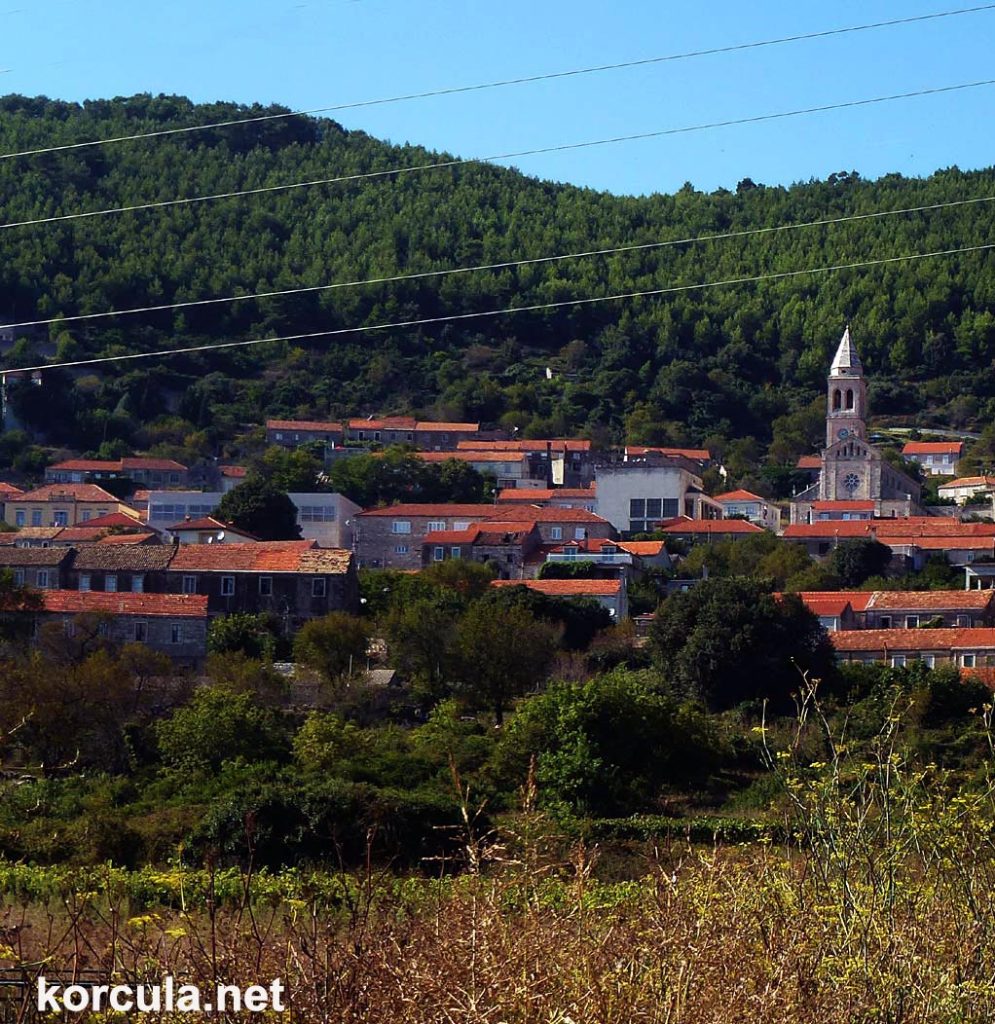
Smokvica has nine churches and chapels for a village of around 1,000 people – an extraordinary number that reflects both the age of the settlement and the religious devotion of its inhabitants over centuries. The oldest fragments date to the 5th century. The Church of St Michael on its fortified rocky butte is the most historically significant – built as part of the village’s defensive system during the period of Ottoman threat and one of the most striking buildings in any village on the island. The parish Church of the Purification of the Blessed Virgin Mary at the village centre dates from the late 17th century and was rebuilt in the early 20th century. Each of the nine churches connects to a different period of the village’s long history.
The Kumpanjija Sword Dance
Smokvica is one of five villages on Korcula that preserves the Kumpanjija – an ancient chain sword dance of great antiquity. Where the Moreška performed in Korcula Town is a theatrical battle between two armies, the Kumpanjija is a ritual dance performed by a company of men in traditional dress. It is performed at village festivals and celebrations. Less well known than the Moreška because it is not commercially promoted in the same way – which makes encountering it in Smokvica feel considerably more authentic.
Hiking – Sv. Rok Viewpoint
One of the best hikes in the Smokvica area is up to the Sv. Rok viewpoint above the village. At the top you are rewarded with spectacular panoramic views of the village, its vineyards and the sea beyond. A good way to understand the landscape before descending to walk through it at vineyard level on the Pošip Walk. Allow about an hour for the return trip from the village centre.
The Olive Groves
Olive trees grow in abundance around Smokvica alongside the vineyards. In October and November, the harvest season begins – families gathering olives by hand and taking them to the local press for oil. Smokvica olive oil is produced in small quantities and rarely leaves the village – buying a bottle directly from a producer during harvest season is one of the better food souvenirs you can take from Korcula. The combination of local Pošip and local olive oil at the same table is as good a summary of what Smokvica produces as any description could be.
Getting to Smokvica
By car from Korcula Town, the drive takes about 35-40 minutes along the main island road through Žrnovo and Cara. By bus the regular service connecting Korcula Town to Vela Luka stops in Smokvica – from the bus stop several wineries are within walking distance, making the bus a genuinely practical option for a wine tasting visit without a car. The drive from Vela Luka takes about 20 minutes. The road south from Smokvica to Brna takes about 10-15 minutes and passes through some of the most productive vineyard landscape on the island.
Map
Related Pages
- Cara village – neighbouring wine village, co-producer of Pošip and home of the Španić Kaštel
- Brna village – the coastal village below Smokvica, 4km south down the hill
- Istruga beach – sandy beach with therapeutic mud near Brna
- Pošip wine – full guide to Korcula’s most celebrated white wine
- Things to do on Korcula – complete activities guide for the island